
Adrift in Colour, oil on canvas 260X170 cm.
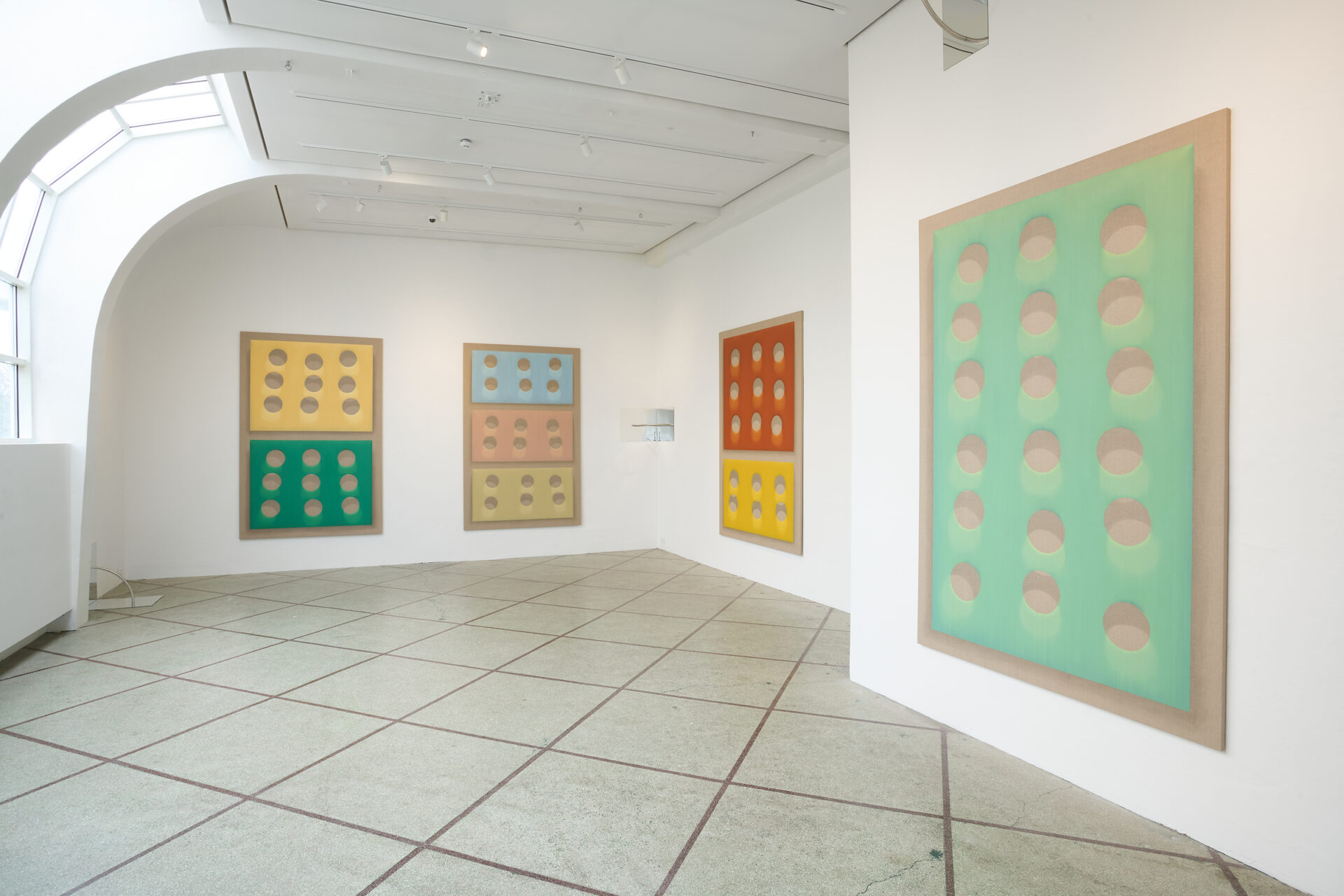
II
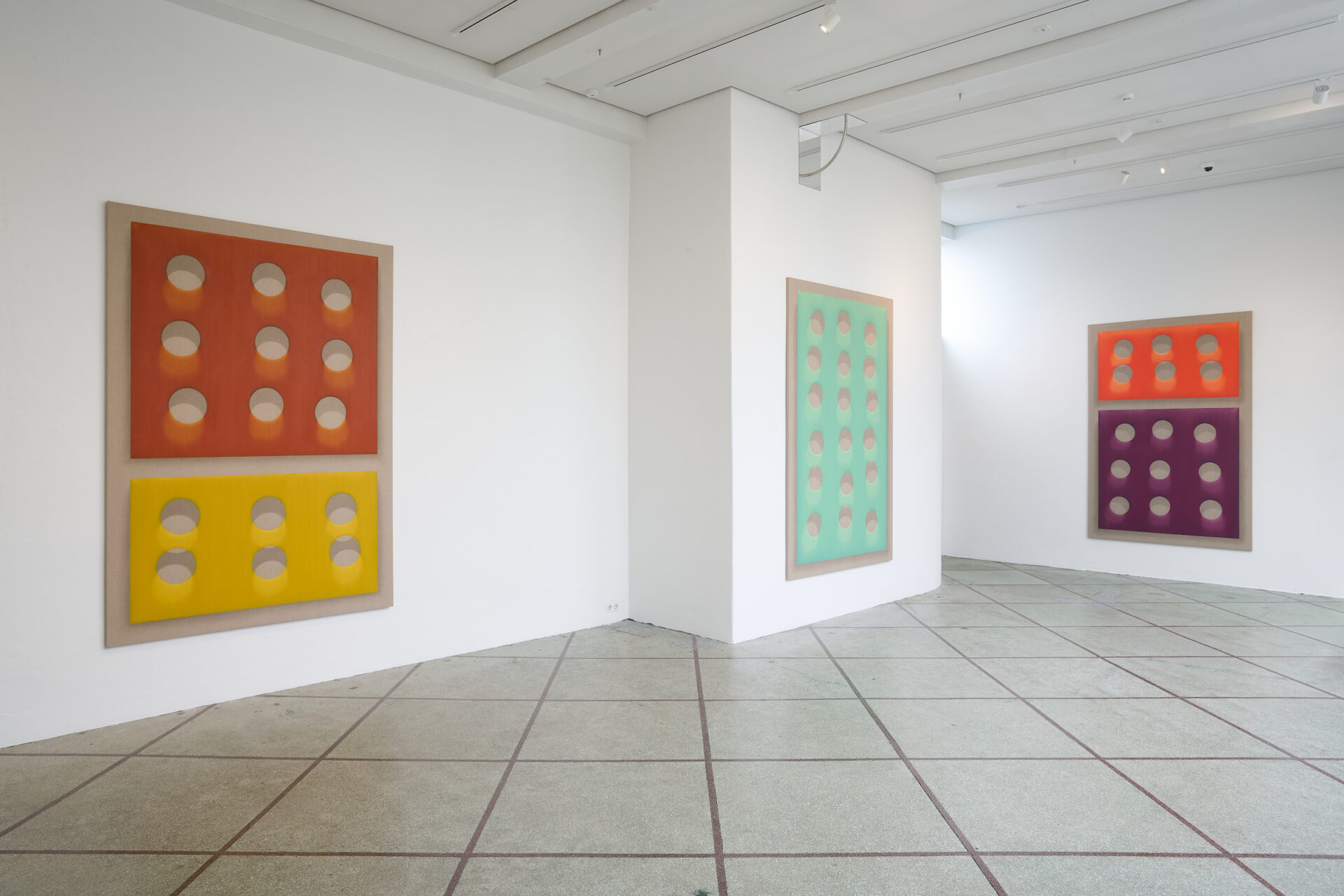
III
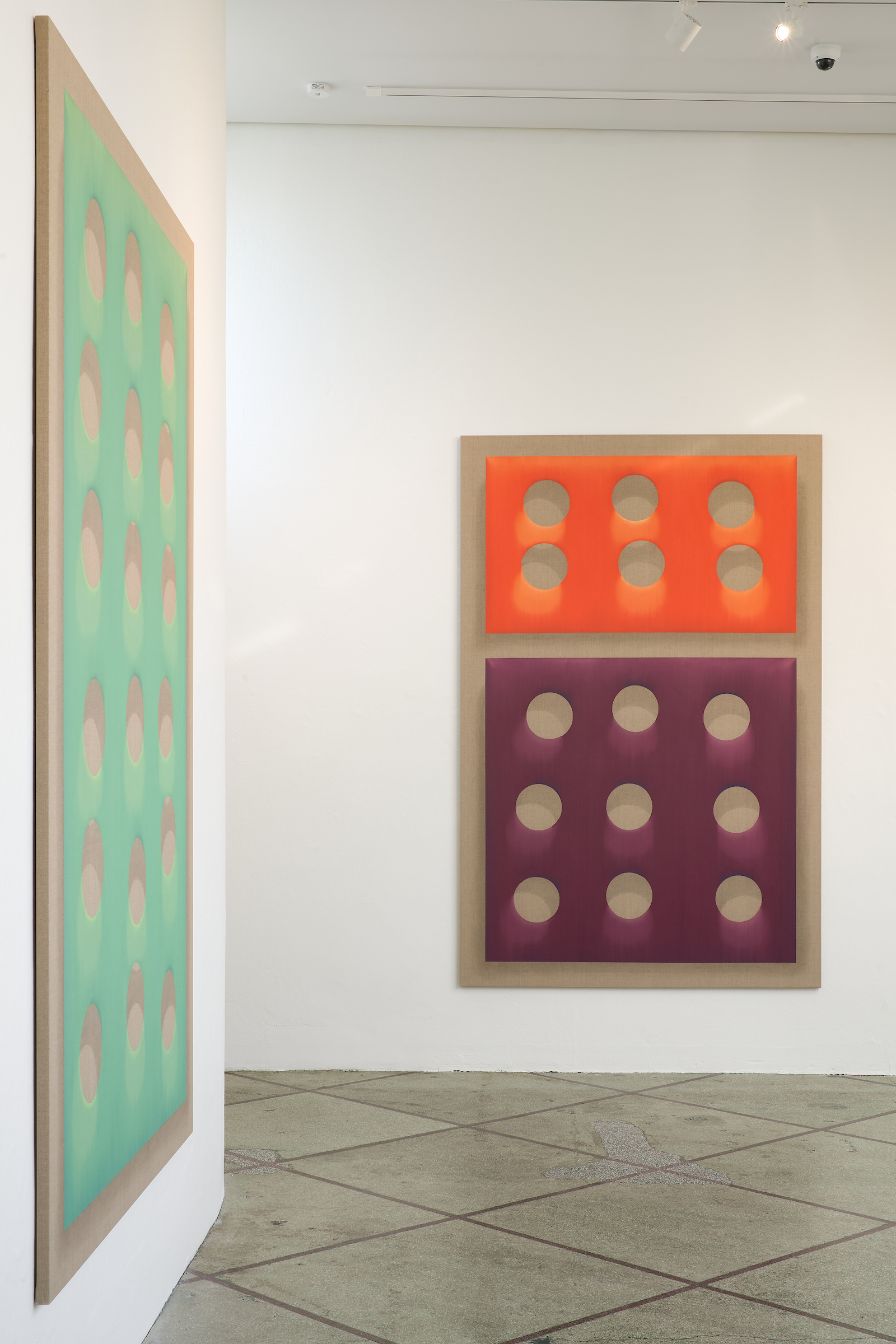
IV
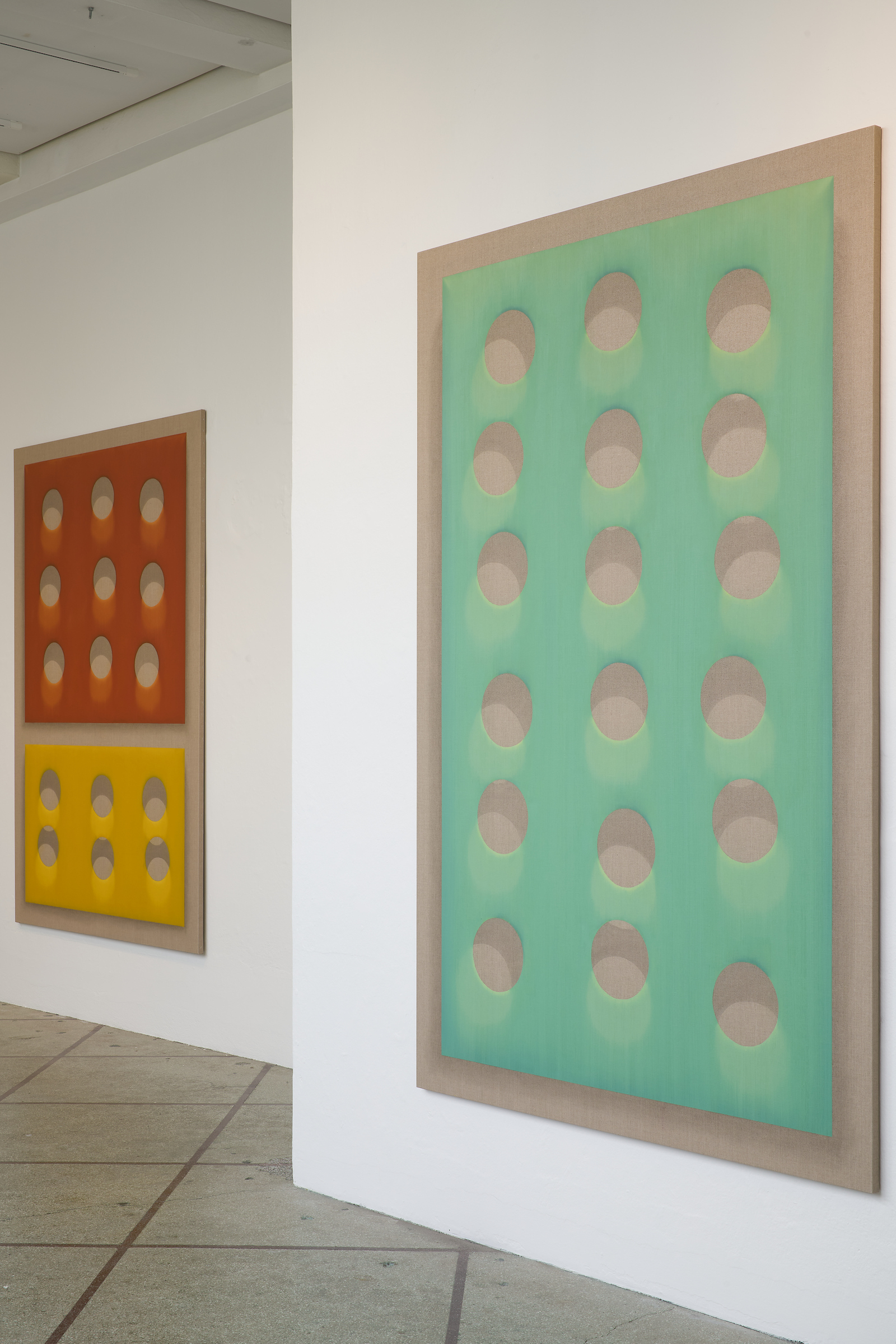
V
VI
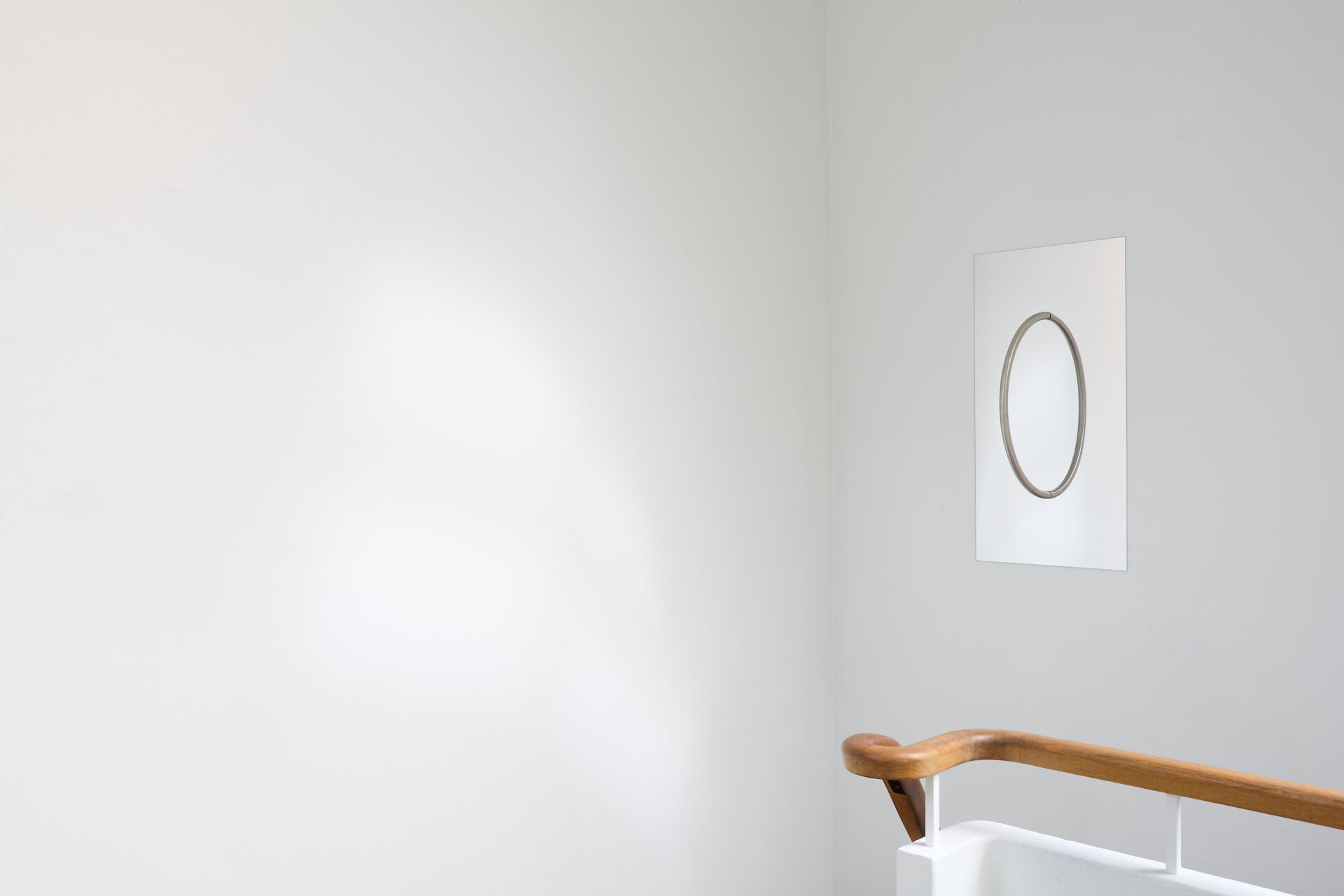
Ásmundarsalur, Reykjavik, Iceland. 2025
Adrift in Colour
Jón Proppé
Everything is: the shadows in the glass
Which, in between the day’s two twilights, you
Have scattered by the thousands, or shall strew
Henceforward in the mirrors that you pass.
And everything is part of that diverse
Crystalline memory; the universe.
– Jorge Louis Borges
Paintings are two dimensional, flat surfaces that can be covered with a layer of paint, thick or thin, while sculptures — like us and all ordinary things — have three dimensions. Sculptures share our space; paintings are more like the walls or floors of our dwellings.
That was how it was, at least, until painters began experimenting with perspective and found ways to create the illusion of space inside their paintings. Then the painting became like a window: a flat object you could look through and see a world — or an invention — in three dimensions. Painters got so good at this that they sometimes tried to “deceive the eye” — trompe-l’œil — so that people thought what they saw in the painting was real, at least until they looked more carefully. Even when you know it’s a trick, it can still be a treat, still bring you joy.
That’s how it was, for example, when Icelandic farmers moved into towns and missed their old homes. Some would buy a painting of the mountain they had grown up with, and it felt almost like looking out through the window back home. Paintings, like windows — and sometimes like mirrors — can expand the space they are in. Every interior designer knows this.
The three-dimensional space we and the sculptures live in isn’t as simple as it seems. It can be bent, stretched, or reimagined in many ways. This has been one of Sigurður Árni’s main subjects. He has painted surfaces where he leaves gaps in the paint so you can see the canvas underneath, creating shadows that make the paint seem to float above the surface. He has played with shadows, hinting at objects that don’t really exist — showing us reality in the shadow but making the object itself disappear. In his series Corrections, where he draws on old postcards, he often uses shadows to shift or add to what’s pictured. He has also used tinted transparent materials to cast coloured shadows, making three-dimensional shapes that only exist on the retina of the viewer.
As strange as it sounds, you could say that Sigurður Árni treats paint as if it were a three-dimensional material — and at the same time, he flattens three-dimensional things back into two dimensions. But this isn’t just some visual game, like a funhouse of mirrors. The space we move through is the context of our lives; it shapes how we experience the world and how we move in it. It is important that we understand what space does — and what it can do. Sigurður Árni’s works are part of that task: breaking our habits of perception and making us think differently about our surroundings.
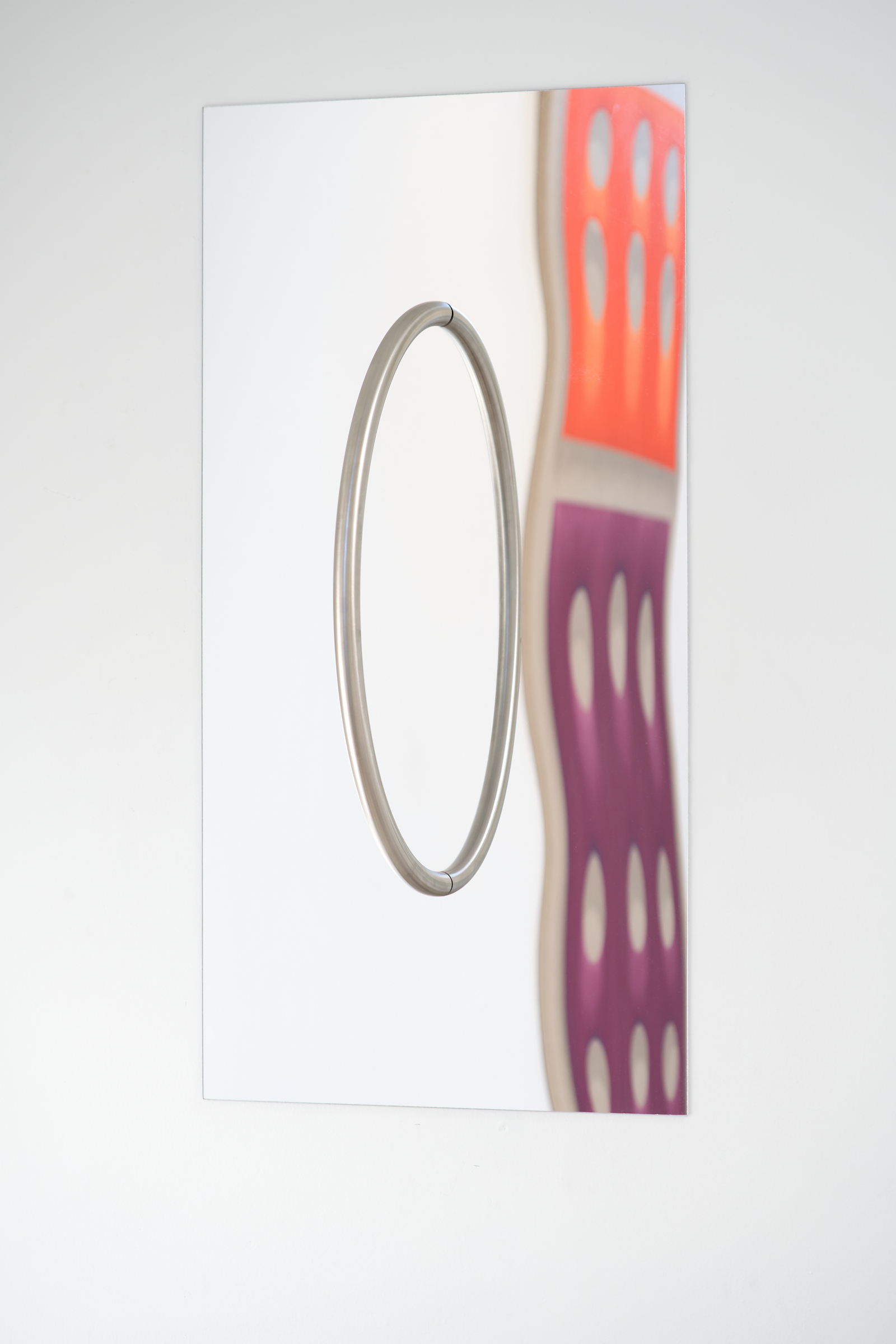
In Litarek, his new exhibition at Ásmundarsalur, we see large paintings where he once again exposes the space between paint and canvas, this time dividing the surface into fields of colour that seem to float above the canvas instead of blending into it. Especially striking, however, are the new works where he uses mirrors and metal pipes, bent to form sections of a circle. The mirrors reflect the space and a part of the circle — but inside the mirror, strangely enough, the circle becomes whole. The reflection shows the real space around us, but also something that doesn’t exist in the real world, a kind of addition to reality that only exists in the mirror — just like the spaces that Sigurður Árni conjures in the shadows of his work that live in the viewer mind. And then again: perhaps, as Borges suggested, these are all just aspects of our lived universe.